

Σε αυτή τη σελίδα
Σε αυτή τη σελίδα
Location and Access
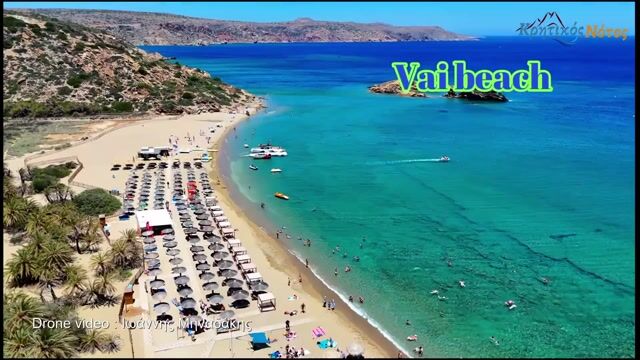
The palm forest and the beach at Vai are situated approximately 24 kilometres north-east of the town of Sitia, in the prefecture of Lasithi, north of Cape Sidero. The site is situated at the very eastern tip of Crete, with the palm forest leading down to a magnificent sandy beach on the shores of the Cretan Sea. The landscape combines the exotic forest with the turquoise waters, creating a unique natural environment.
Access is mainly by car via a well-paved road. From Sitia, follow the main road towards Vai-Palaiokastro, following the clear signposts. The journey takes about 25–30 minutes and offers beautiful views of the eastern coastline. From Heraklion, the distance is approximately 175 kilometres (2.5–3 hours); from Agios Nikolaos, 100 kilometres (1.5 hours); and from Chania it is about 270 kilometres (4 hours).
There is a large organised car park about 200 metres before the beach, costing around 3 euros per day. Parking elsewhere is not permitted due to the area’s protected status. From the car park, a short 5–10-minute walk along a well-maintained path through the palm forest leads you to the beach. Alternatively, you can get there on organised day trips from Agios Nikolaos, Sitia, Ierapetra and other towns in Crete. There are also KTEL bus services from Sitia to the area during the summer season.
The Palm Forest – A Natural Treasure
The Vai Palm Forest is the largest natural palm forest in Europe, consisting of the endemic species Phoenix theophrasti (Phoenix theophrasti), also known as the Cretan palm. It is estimated that the palm forest covers approximately 250 stremmata and contains over 5,000 palm trees. This species has existed in the area for thousands of years, creating a unique ecosystem found nowhere else in Europe.
The palm trees grow up to 20 metres tall, with their characteristic long leaves providing dense shade. The forest stretches from the coast to the neighbouring hills, with the densest part situated just behind the beach, where the trees reach almost to the sand. The sight of the tall palm trees next to the azure sea creates an exotic, almost tropical setting reminiscent of beaches in the Caribbean or the Seychelles.
The palm forest ecosystem is extremely important for biodiversity. It provides a refuge for a multitude of animals and plants, including many endemic and rare species. Birds nest in the tops of the palm trees, small mammals hide amongst the leaves, insects and invertebrates contribute to the ecological balance, whilst the dense vegetation stabilises the soil and regulates the area’s microclimate. The palm forest also protects the beach from erosion and creates a natural barrier between the land and the sea.
The Theophrastus palm is a protected species, and the Vai palm forest has been included in the Natura 2000 network as a Special Area of Conservation, in recognition of its great environmental value. However, the species is threatened by increased tourist pressure, potential fires, diseases such as the red palm weevil, and climate change. Strict management and protection measures are therefore required.
Vai Beach
Vai Beach is long and wide, with fine golden sand and crystal-clear, shallow waters that make it ideal for swimming. The waters are turquoise and blue-green, with exceptional clarity – you can see the seabed at great depths. The sea deepens gradually, making it safe for families with children. The seabed consists of sand and a few stones, whilst on windy days there may be some swell, but conditions are generally calm.
The beach is fully equipped with modern facilities. There are sun loungers and parasols for hire (around €10–15 for a set comprising a parasol and two sun loungers, prices vary depending on the season), showers, changing rooms and toilets. A lifeguard is on duty during the high season, ensuring swimmers’ safety. On the beach you’ll find the Palm Beach Vai tavern and a café/kiosk serving food, drinks, coffee and ice cream. Prices are considered slightly higher than the Cretan average due to the beach’s popularity.
Around the main beach, there are also smaller beaches and coves, some of which are accessible via a short walk. These are less developed and offer more peace and quiet if you want to avoid the crowds. From the rocks flanking the beach, there’s a magnificent view – climb up for a few minutes and you’ll be rewarded with a panoramic view of the palm grove and the sea, ideal for photographs.
History – From the Minoans to the Hippies
Vai has been known since ancient times. During the Minoan period (3000–1100 BC), the area was considered sacred and was home to settlements of Minoan traders and sailors who made use of the natural harbour. The palm trees were invaluable to the inhabitants – their fruits (dates) provided food, the leaves were used for building and weaving, whilst the forest offered shade and protection.
During the Middle Ages and the period of Venetian rule, the palm grove and the surrounding area belonged to the Monastery of Toplou, to which they still belong today. The monks looked after the forest and cultivated the land. For centuries, Vai was a secluded, peaceful place known only to the locals.
In the 1970s, Vai became particularly popular with hippies seeking alternative, natural destinations far from city life. Hundreds of young people from all over Europe set up makeshift camps in or next to the palm forest, staying for long periods in improvised accommodation, lighting fires and living in communities. Wai became a symbol of a free life and a return to nature.
Vai became internationally famous in the 1970s and 1980s thanks to the famous Bounty chocolate advert filmed there. The image of the exotic beach with its palm trees ‘travelled’ around the world, with the slogan ‘A taste of paradise’ (A taste of paradise), making Vai synonymous with a tropical paradise. The advert reinforced its reputation as a ‘Greek paradise’, comparable to tropical islands, and attracted thousands of tourists.
However, the explosive growth in tourism led to serious environmental problems. Wild camping, open fires, litter and excessive pressure were threatening the palm forest’s ecosystem. In 1980, the Greek government and the Toplou Monastery took drastic measures: the area was designated a protected site, and unauthorised camping, the lighting of fires and any activity that might harm the forest were banned. Fences, footpaths and controlled access were put in place. Today, Vai is maintained under strict regulations and surveillance, ensuring the protection of this unique ecosystem for future generations.
Visiting – Practical Information
Entry to Vai Beach is free. However, there is a charge for the organised car park (around €3), sun loungers and parasols. The beach is open all day, but the organised facilities (café, tavern, lifeguard, sun lounger hire) usually operate from 08:00 to 19:00 during the summer months.
The best time to visit is in spring (April–June) and autumn (September–October), when the weather is mild, nature is at its best and there are fewer tourists. In summer, especially in July and August, Vai is packed with visitors – it is one of the busiest beaches in Crete. If you visit then, go early in the morning (before 10.00) or late in the afternoon (after 17:00) to enjoy a bit more peace and quiet and to find a parking space.
Due to the protected status of the area, strict rules apply: wild camping and lighting fires are strictly prohibited; you are not permitted to enter the protected section of the palm forest (only the designated paths may be used); do not cut branches or leaves from the palm trees, do not leave rubbish behind – there are recycling bins, and do not disturb the flora and fauna. The police and the guards at Toplou Monastery ensure that the rules are observed.
Bring high-factor sun cream, a hat and sunglasses, beach towels, a snorkelling mask to explore the crystal-clear waters, comfortable shoes for walking along the palm forest trail, water (there are vendors on site), and a camera to capture the unique scenery.
Nearby attractions
Combine your visit with other nearby attractions: the Toplou Monastery (5 km), ancient Itanos (9 km), Itanos Beach for a peaceful swim, Kouremeno Beach for windsurfing (15 km), and the town of Sitia for food and accommodation. Eastern Crete offers a rich variety of natural and cultural attractions for you to explore.
Vai is much more than just a beautiful beach. It is a natural treasure of international significance, a paradise of biodiversity and a lesson in how environmental protection can coexist with tourism. Whether you’re swimming in the turquoise waters, strolling amongst the palm trees, or simply relaxing in their shade, Vai will remain unforgettable – a slice of tropical paradise in the heart of the Mediterranean.
Video
Tik-tok :https://www.tiktok.com/@johnminad
Instagram : https://www.instagram.com/giannis_mndks
Video Gallery