

Σε αυτή τη σελίδα
Σε αυτή τη σελίδα
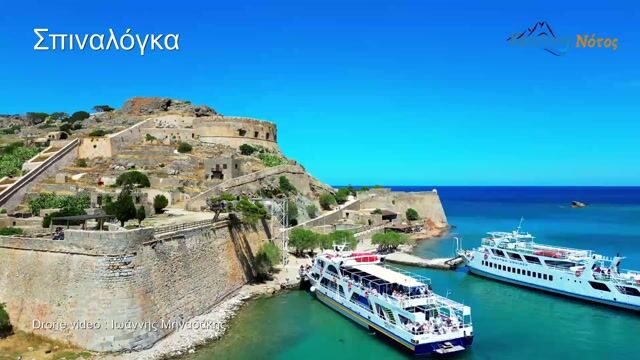
Spinalonga is a small island in the Bay of Elounda, in eastern Crete, with a particularly eventful history.
Historical background
Antiquity – Byzantine period: The area has been inhabited since antiquity. The island was fortified during the Byzantine era due to its strategic location.
Venetian Rule (16th–17th centuries): The Venetians built one of the strongest fortresses in the Mediterranean to control the Gulf of Mirabello. The fortress remains largely intact to this day.
Ottoman period: Although Crete came under Ottoman rule, Spinalonga remained under Venetian control for many years due to its strong fortifications. Later, Ottoman settlers moved in.
Leper colony (1903–1957): Spinalonga became known primarily as a leper colony. Patients from all over Greece lived in isolation on the island. Despite the difficult conditions, an organised community developed, with houses, a church and basic services.
After 1957: With advances in medicine, the leper colony closed and the island was abandoned.
Present-day view
Today, Spinalonga is an archaeological and historical site and a popular tourist destination. Visitors can see:
the Venetian walls and bastions,
the patients’ houses,
the church of Saint Panteleimon,
traces of the different historical periods that coexist on this small island.
Symbolism
Spinalonga symbolises:
social exclusion and the stigma of illness,
human resilience and solidarity,
the coexistence of memory, history and cultural heritage.
Video
Tik-tok :https://www.tiktok.com/@johnminad
Instagram : https://www.instagram.com/giannis_mndks,,
Video Gallery