

Σε αυτή τη σελίδα
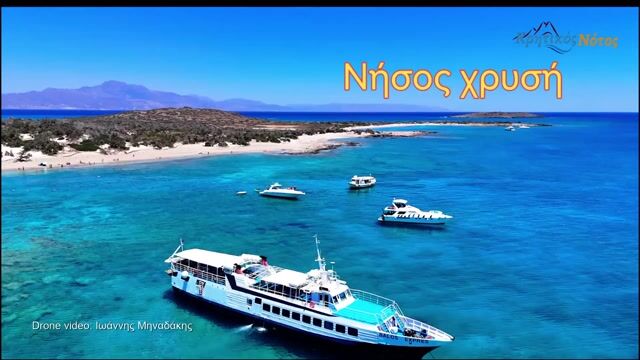
The island of Chrysi, also known by its local name Gaidouronisi, is one of the most enchanting and unspoilt destinations in the Mediterranean, a small islet situated approximately 15 kilometres south of Ierapetra, in the Libyan Sea. Accessible only by caique, Chrysi offers a unique experience of natural beauty that combines exotic beaches with golden sand, crystal-clear turquoise waters and a rare cedar forest found nowhere else in the Mediterranean on such a scale.
Drone footage by: Ioannis Minadakis.
Σε αυτή τη σελίδα
The boat trip from Ierapetra, which takes around 30 to 50 minutes depending on the weather, is an experience in itself, as the island gradually comes into view on the horizon like a dream coming to life. The first impression of Chrisi is breathtaking: beaches with sand that glitters in the sun thanks to countless tiny fragments of seashells that have turned into gold dust, which explains the island’s name.
The main beach, known as Golden Beach or Belegrina, is situated on the northern side of the island and is the main arrival point for visitors. Here, the golden sand dunes meet the turquoise waters, creating a landscape more reminiscent of the Caribbean than the Mediterranean. Hatzivolakas Beach, on the western side, offers the unique sight of a cedar forest stretching right down to the sea, providing natural shade and a mysterious atmosphere. For those seeking absolute tranquillity and seclusion, the beaches of Katia and Vougiou Mati on the southern side offer a more remote retreat, away from the majority of visitors.
The main beach, known as Golden Beach or Belegrina, is situated on the northern side of the island and is the main arrival point for visitors. Here, the golden sand dunes meet the turquoise waters, creating a landscape more reminiscent of the Caribbean than the Mediterranean. Hatzivolakas Beach, on the western side, offers the unique sight of a cedar forest stretching right down to the sea, providing natural shade and a mysterious atmosphere. For those seeking absolute tranquillity and seclusion, the beaches of Katia and Vougiou Mati on the southern side offer a more remote retreat, away from the majority of visitors.
The cedar forest of Chrysi is one of the largest natural forests of Lebanese cedar (Juniperus macrocarpa) in Europe and covers a large part of the island. The cedars, some of which are hundreds of years old, form a protected ecosystem that has been designated a Natura 2000 site. A walk amongst these ancient trees, with their lichen-covered branches and intense fragrance, is a deeply moving experience of connection with nature. The light filtering through the branches and falling onto the sand creates shadows and colours that change throughout the day.
The history of Chrysi is just as fascinating as its natural beauty. Archaeological finds show that the island has been inhabited since Minoan times, mainly for the extraction and trade of purple dye produced from sea snails (murex). The remains of ancient buildings, Roman tombs, ruins of salt pans and the small 13th-century chapel of Saint Nicholas bear witness to the island’s long human history and strategic importance in antiquity. Gaidouronisi, as the locals call it, probably got this affectionate name from the donkeys that were once used to transport materials on the island.
The experience of visiting Chrysi is unique precisely because the island remains unspoilt and protected. There are no hotels, permanent residents or modern facilities – only the occasional small kiosk operating seasonally, subject to environmental restrictions. Overnight stays are not permitted, as the entire island is a protected area. This restriction, whilst it may seem disappointing, is precisely what keeps Chrysi so beautiful and unspoilt.
The crystal-clear water around the island is ideal for snorkelling, as its clarity and the rich underwater world around the reefs offer stunning views of marine life. Fish of all kinds, sea urchins, jellyfish and corals create an underwater spectacle that rivals the landscape above.
For those planning to visit Chrysi Island, it is important to know that the best time to visit is from May to October, whilst the summer months are the busiest. As there are no facilities on the island, visitors must bring their own water, food, sun cream and swimming gear. Most importantly of all is respect for the environment: collecting shells, sand or cedar twigs is strictly prohibited, and all rubbish must be taken back to mainland Crete. Boat trips are subject to weather conditions, so it is advisable to check timetables in advance at the port of Ierapetra or with local travel agencies.
Chrysi is a destination that remains etched in the memory. A place where time seems to stand still, where nature reigns supreme and where visitors can enjoy the simplicity and beauty of a world untouched by modern civilisation. For anyone visiting Crete, Chrysi is undoubtedly an experience not to be missed.
Video
Λήψη drone video : Ιωάννης Μηναδάκης .
Tik-tok :https://www.tiktok.com/@johnminad
Instagram : https://www.instagram.com/giannis_mndks
Tik-tok :https://www.tiktok.com/@johnminad
Instagram : https://www.instagram.com/giannis_mndks
Video Gallery